‘Don’t You Let Me Go’ Review – The Tender Beauty Of Unvoiced Sorrow


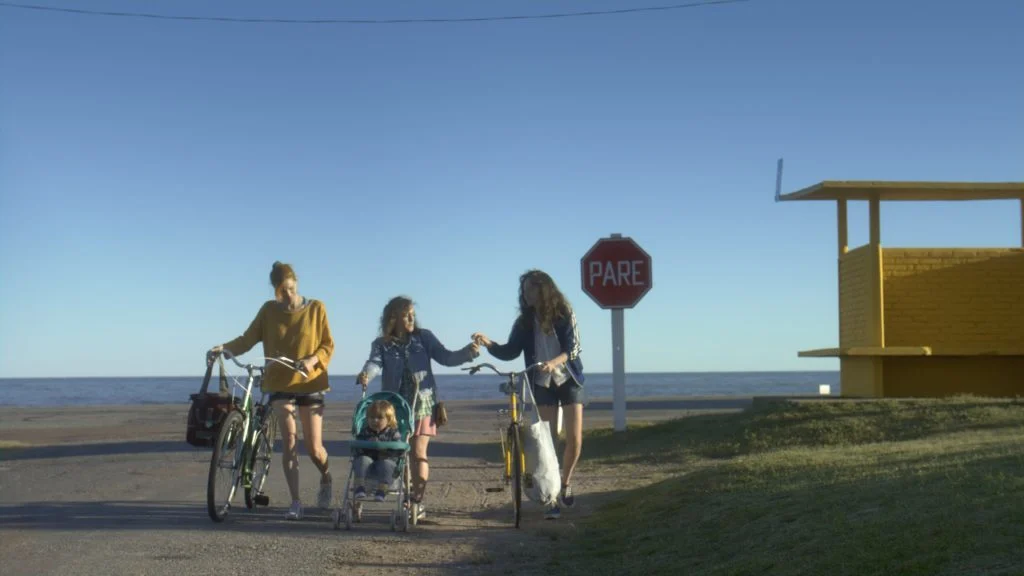
Leticia Jorge and Ana Guevara’s meditation on mortality and legacy creates something beyond revisiting the twilight slice of love, recaptured to experience one last time. Don’t You Let Me Go illustrates what feminine love feels like without the need for things to be expressed aloud simply because a film audience is present. Their writing allows the performances of Chiara Hourcade’s Adela, Eva Dans’s Luci, and especially Vicky Jorge’s Elena to show us what unconditional love is between women — whether it’s connected by blood or a found family that supports each other.
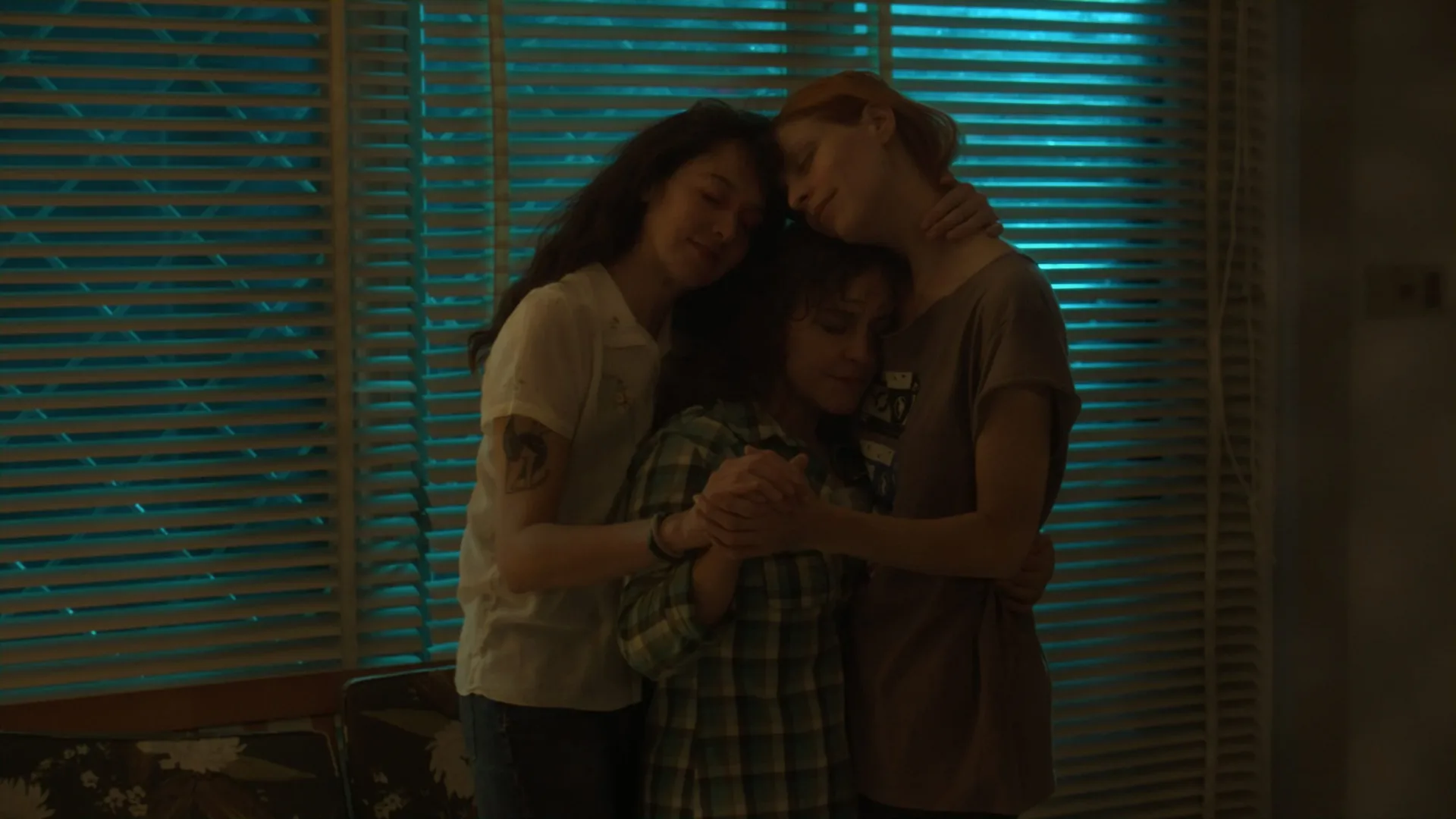
At the start of the film, Elena has passed away, her family and friends filing in to see each other. While Adela seems put together during the wake, she still juggles between disjointed conversations and arguments within the austere meeting areas made to look like hellish waiting rooms. At one point, she finds herself fielding an issue with the family’s polite animosity towards the hosts using a room where a large cross hangs, the staff periodically berated in a darkly comedic display of grief. As the families and friends make do with putting flower displays in front of the cross to block the symbol from view, gazes focus inward towards Elena’s life and stories become told with mirth and vigor, but a sadness undercuts it all. Adela’s temperament begins to shift, and once she finds herself alone, the pressure to stay put together for Elena’s collected loved ones slips.

Courtesy of Soledad Rodríguez
The conceit of Jorge and Guevara’s Don’t You Let Me Go arrives in the form of a bus that takes Adela back to a moment in her past when Elena was still alive. But it manages to stay in its own world of logic and push the erstwhile elements of magical realism aside to the periphery to make room for its excellent unspoken pain and drama without compromising the otherworldly gift it presents to Adela. In one evening, we see the strength of their bond with one another, even with the arrival of mutual friend Luci with her baby boy Paco, whom other films would frame as a collective third wheel. The group finds a way to weave together a familial warmth and foster happiness with meager funds, making a small feast from the offerings at the beach cabin where they stay. What they mean to each other may never be spoken, but it becomes more than understood in the moments shared with one another.
The boundaries of Adela’s and Elena’s friendship aren’t tested in the traditional sense of storytelling, but there are moments here and there where they arrive at the same thought. They ebb together as more of a cohesive unit, even when in moments they seem to be at odds, but when they get to the same place and share a glance, this introduces conflict. A wordless unity seems to exist between them that keeps them from getting too close, perhaps again after a shared history of hurting together.
They share an affection for each other that many can read as queer, but there’s also something between them that suggests a sorrow of possibilities past, a simple glint in each other’s eyes that imparts a longing that would never be explored. It keeps poignance at an artistic arm’s length despite this; Adela’s overt moment of desolation remains the most concentrated point of sadness she communicates to herself, yet in moments shared with Elena and Luci that would or could be milked for drama, there is instead a celebration of where else a relationship that strong could be directed rather than mourn what could have been. This is perhaps the most meaningful arrival of Jorge and Guevara’s phantom bus line that takes Adela and us as her company, to a place where the next point can be found that builds on what has come before.

Courtesy of Soledad Rodríguez
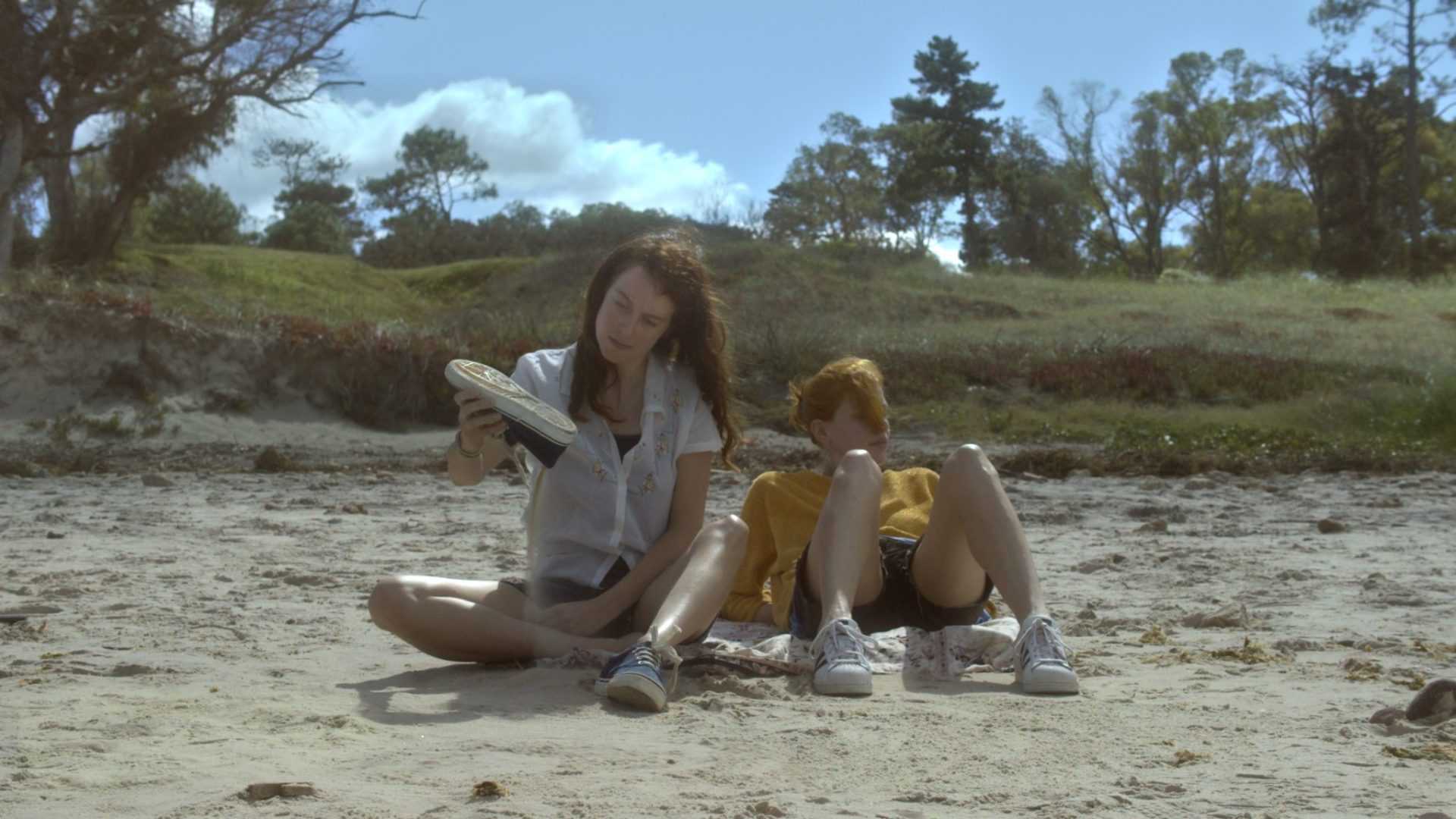
Soledad Rodríguez’s quiet but brilliant photography perfectly captures the intimate moments between the three women, but the shots of the landscape and surrounding structures lend another dimension to the world’s ineffable mysticism. Shots of the beach peppered with stones and pebbles painted with singular eyes that blink don’t catch us by surprise; we expect them in some way with childlike glee. We see this past world through new eyes, as Adela must. Yet it reveals what was missed the first time that perhaps was always there. We’re first-time witnesses to Adela’s experiences with Elena at the beach house, but in knowing that this is territory tread before, moments are paused upon where we can feel a new sort of lingering around things unsaid. And when the time comes to say goodbye again, Adela chooses to change the landscape of what it means to lose someone — instead embracing what comes next with an undoubted, unquestionable love in her heart.
Leticia Jorge and Ana Guevara make their film ultimately about longing and lost love, but in their tenderness, they do so with a touch of tranquility laid on top of a dream world. This world may still be populated by chaos but their touch guides us to a resting placidity that grants Don’t You Let Me Go with an earned glance towards the clouds, among which it has floated by and past Lean’s Brief Encounter, fluttering within and flirting with Linklater’s Before Sunrise, to land in the sea underneath that blue sky and sail on to worlds beyond.
Don’t You Let Me Go was selected as Uruguay’s official submission for Best International Feature at the 98th Oscars.
[this article was originally published december 26, 2025 on geek vibes nation.]